The Ultimate Guide to Carbide Milling Tools: Selection, Performance, and Applications
News Details
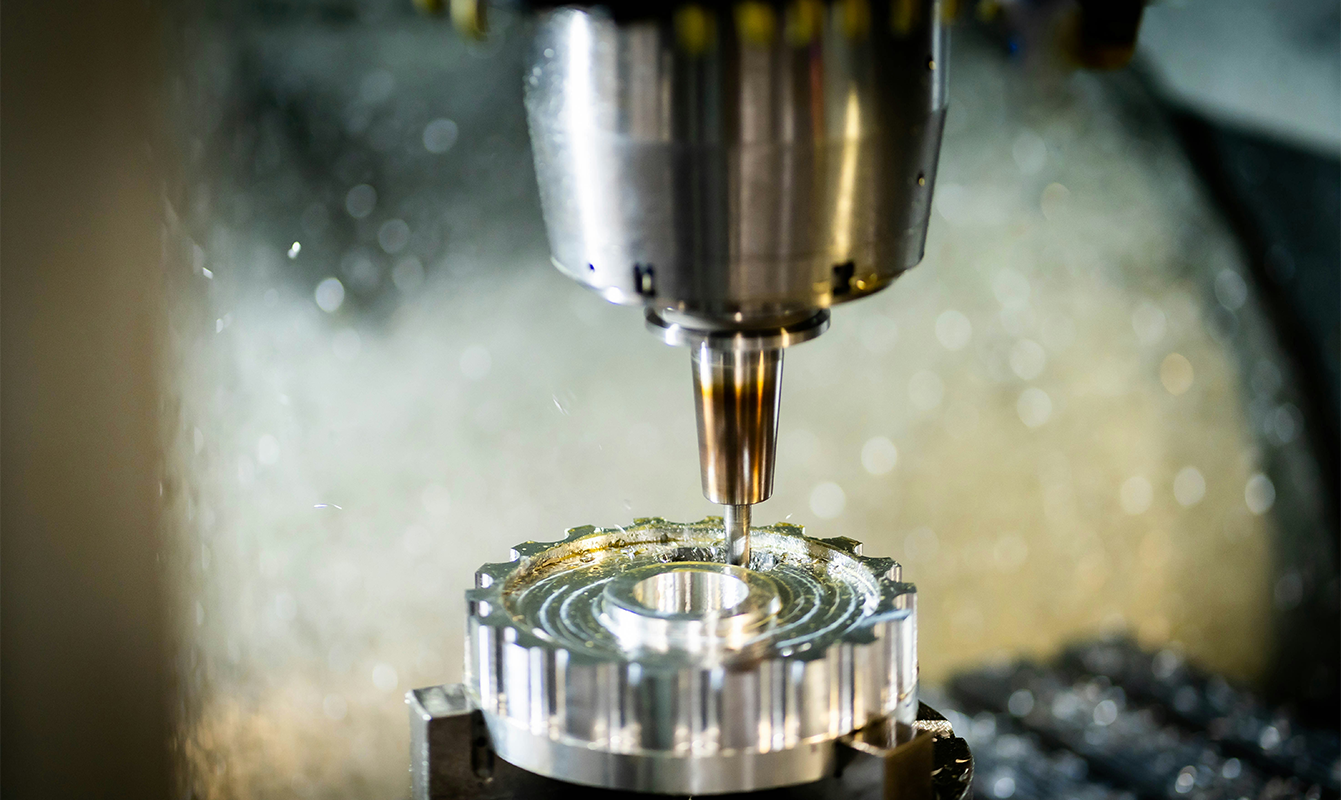
When working in modern manufacturing, choosing the right cutting tools can make or break your production line. Among all options, milling tools crafted from solid tungsten carbide stand out as the top choice for high-speed, high-precision machining.Whether you are cutting aerospace alloys, shaping automotive components, or carving complex molds, understanding how to select and apply these tools is essential.
At Qinray, we specialize in designing and manufacturing advanced carbide milling tools that help machine shops achieve better stability, longer tool life, and superior surface finishes.In this guide,we will explore everything you need to know about milling tools,from material properties and coatings to smart selection and custom solutions.
Understanding the Foundation: Why Choose Solid Carbide Milling Tools?
To get the best results on the shop floor, you must first understand what makes your tools tick. Standard high-speed steel (HSS) tools work well for basic tasks, but solid carbide milling tools offer unmatched hardness, wear resistance, and thermal stability.
Carbide is created by combining tungsten carbide particles with a binder like cobalt under extreme heat and pressure. Because of this dense structure, solid carbide tools can maintain a sharp cutting edge even at high temperatures.
-
Fine Grain Structures:Advanced manufacturers utilize ultra-fine grain sizes (such as 0.6 µm or 0.4 µm) to balance extreme hardness with toughness.
-
Rigidity: High rigidity means less tool deflection, resulting in tighter tolerances and cleaner cuts on hard metals.
-
Versatility: These tools handle everything from soft aluminum to tough titanium alloys with ease.
Key Performance Factors: Coatings and Geometries
Selecting the right carbide substrate is only the first step. To truly optimize your milling process, you must also look closely at tool geometry and surface coatings.
Different milling jobs require different cutting edge designs. For example, flat-bottom end mills handle general profiling, while ball-nose and tapered cutters are ideal for 3D mold cavities. Furthermore, special profile cutters and T-slot end mills allow machinists to create complex slots and undercuts that standard tools cannot reach.
Coatings play an equally vital role in extending tool life:
-
SA and SP Coatings: These specialized layers reduce friction and protect against thermal wear during aggressive cuts.
-
DLC (Diamond-Like Carbon) Coatings: Perfect for non-ferrous materials and applications where low friction prevents material buildup.
By matching the flute count, helix angle, and coating to your specific workpiece material, you can significantly reduce cycle times and avoid unexpected tool breakage.
Real-World Applications and Custom Solutions
Every machining project comes with unique challenges. While off-the-shelf catalog items work for standard tasks, many demanding industries require tailored solutions.
At Qinray, we operate advanced CNC five-axis grinding labs to produce custom non-standard milling tools based on specific customer drawings.Our precision cutting tools serve critical sectors worldwide:
-
Mold and Die Manufacturing:Creating deep cavities and intricate parting lines.
-
Automotive and Aerospace: Machining high-strength structural parts, brackets, and complex housings.
-
General Precision Engineering:Producing accurate slots, steps, and contoured components.
If your current setup struggles with chatter, rapid wear, or unique slot dimensions, working directly with an experienced custom manufacturer ensures your milling tools fit your exact operational needs.With flexible order quantities—such as low minimums for specialized testing—machinists can easily evaluate custom tool performance before launching full-scale production.


