Optimizing Tool Life and Cost-Per-Hole: Advanced Coatings and Substrates in Custom Carbide Reamer Design
News Details
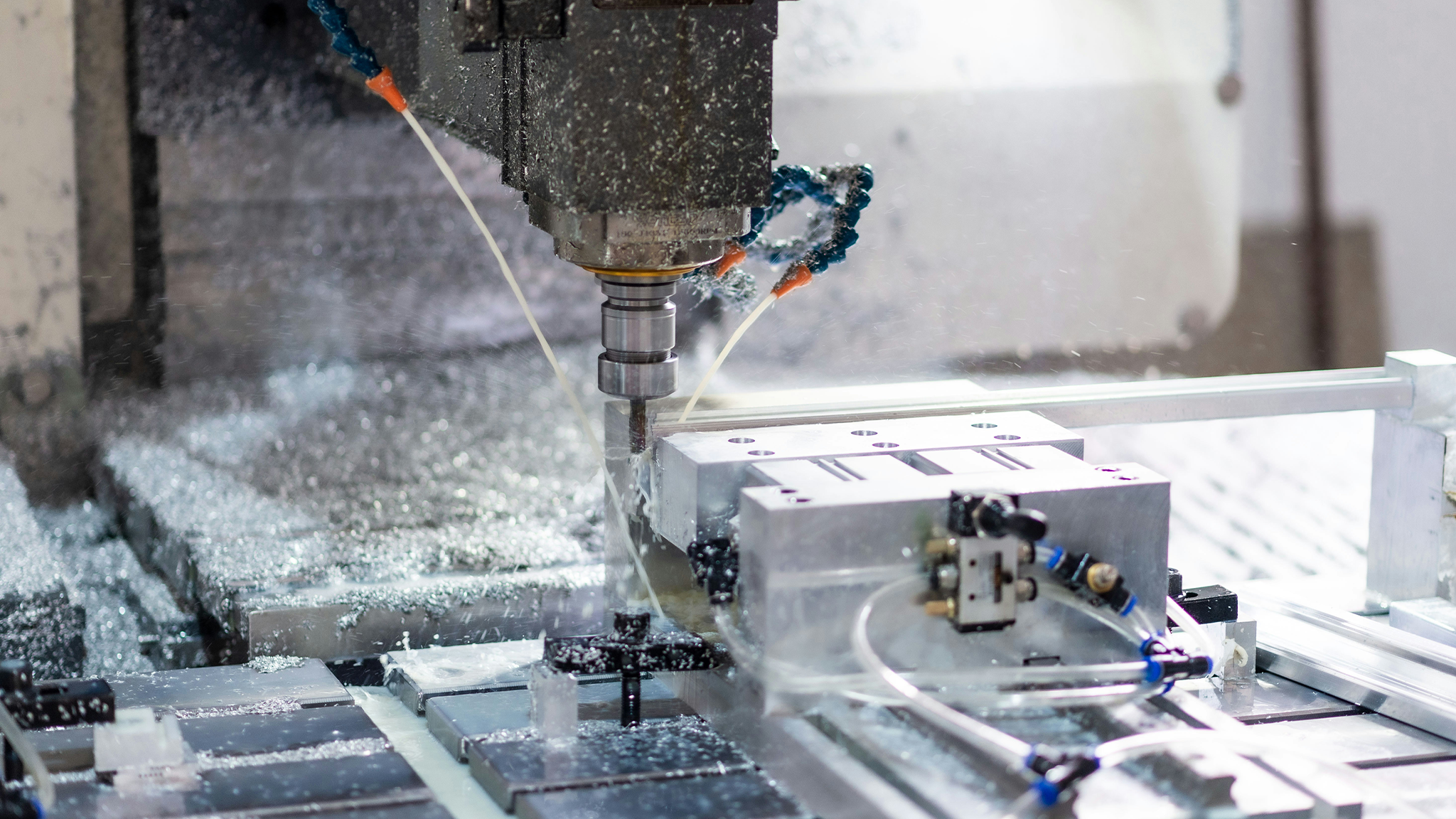
In modern high-volume manufacturing, every single second of downtime adds up. When your CNC machines stop to swap out worn cutting tools, your production costs climb. For machinists and production engineers working with tight tolerances, the reaming process is often the final hurdle before a part is finished. If your reamers wear out too quickly, scrap rates rise and profits drop.
So, how can you fix this? The answer lies in upgrading your tooling strategy. By investing in a custom carbide reamer built with advanced substrates and tailored coatings, you can drastically boost tool life and lower your total cost-per-hole.
Why Standard Reamers Fail in High-Production Environments
Standard, off-the-shelf reamers are designed for general-purpose work. They work fine for basic metals and low-volume jobs. However, they usually fall short when you push them to the limit.
When you machine tough materials like Inconel, titanium, or hardened steels, standard tools struggle with extreme heat and friction. Because standard reamers use generic geometries and standard carbide grades, they wear down fast. As a result, you face:
-
Frequent tool changes that halt production lines.
-
Poor hole finish quality that leads to rejected parts.
-
High spending on replacement tools over time.
When your applications demand precision and speed, a custom carbide reamer changes the game. It is engineered specifically for your exact workpiece material, machine setup, and tolerance goals.
The Foundation: Choosing the Right Tungsten Carbide Substrate
The backbone of any great cutting tool is its material. Tungsten carbide is already famous for its hardness and wear resistance. Yet, not all carbide grades are the same.
When designing a custom carbide reamer, toolmakers balance two key traits: hardness and toughness.
-
Ultra-fine grain carbides offer incredible hardness and razor-sharp cutting edges. They work best when you need mirror-like surface finishes in abrasive materials like cast iron or aluminum alloys.
-
Coarser-grain carbides provide higher toughness and impact resistance. They excel in interrupted cuts or heavy-feed applications where brittle tools would chip or break.
By selecting the exact carbide grade that matches your shop floor conditions, your custom tool resists thermal shock and mechanical stress far better than any catalog alternative.
The Armor: How Advanced Surface Coatings Extend Tool Life
Even the best carbide substrate benefits from extra protection. High-speed cutting creates intense heat at the cutting edge. Without a protective shield, this heat softens the tool and accelerates wear.
Modern physical vapor deposition (PVD) coatings act as a thermal barrier and friction reducer. Depending on your application, a custom carbide reamer can feature specialized coatings such as:
-
TiAlN (Titanium Aluminum Nitride): Perfect for high-heat, dry machining. It forms a protective aluminum oxide layer at high temperatures, shielding the tool from thermal wear.
-
TiN (Titanium Nitride): A versatile, low-friction coating that prevents material build-up on the cutting edges when working with non-ferrous metals.
-
Diamond-Like Carbon (DLC): Ideal for non-ferrous, highly abrasive materials, providing extreme surface hardness and ultra-low friction.
These coatings reduce cutting forces, stop chips from sticking, and allow you to run your CNC machines at higher speeds without burning out the tool.
Integrating Internal Coolant Channels for Thermal Control
Heat is the number one enemy of precision reaming. If heat builds up inside a deep hole, the tool expands, and your hole dimensions go out of tolerance.
To solve this, advanced custom carbide reamers often feature through-tool coolant channels. Instead of flooding the outside of the part—where coolant often fails to reach the cutting zone—internal channels push fluid directly to the cutting edges.
This smart design achieves two major goals:
-
It flushes away metal chips instantly to prevent recutting and scratching.
-
It cools the cutting zone immediately, keeping thermal expansion under control and protecting your tool's life.
Calculating the True ROI of Custom Tooling
At first glance, a custom carbide reamer costs more upfront than a standard shelf tool. But looking at the initial price tag misses the bigger picture.
To see the real value, you must calculate your cost-per-hole. Because a custom reamer lasts significantly longer, handles higher feed rates, and drastically reduces scrap parts, your overall manufacturing cost drops. Fewer tool changes mean more spindle uptime, faster cycle times, and happier customers.
If your facility is ready to push past the limits of standard tooling, partnering with an experienced manufacturer to design a custom carbide reamer is the smartest step you can take toward total production efficiency.


