Inside the Custom Drill Bit Industry: Precision Machining and Advanced Materials
News Details
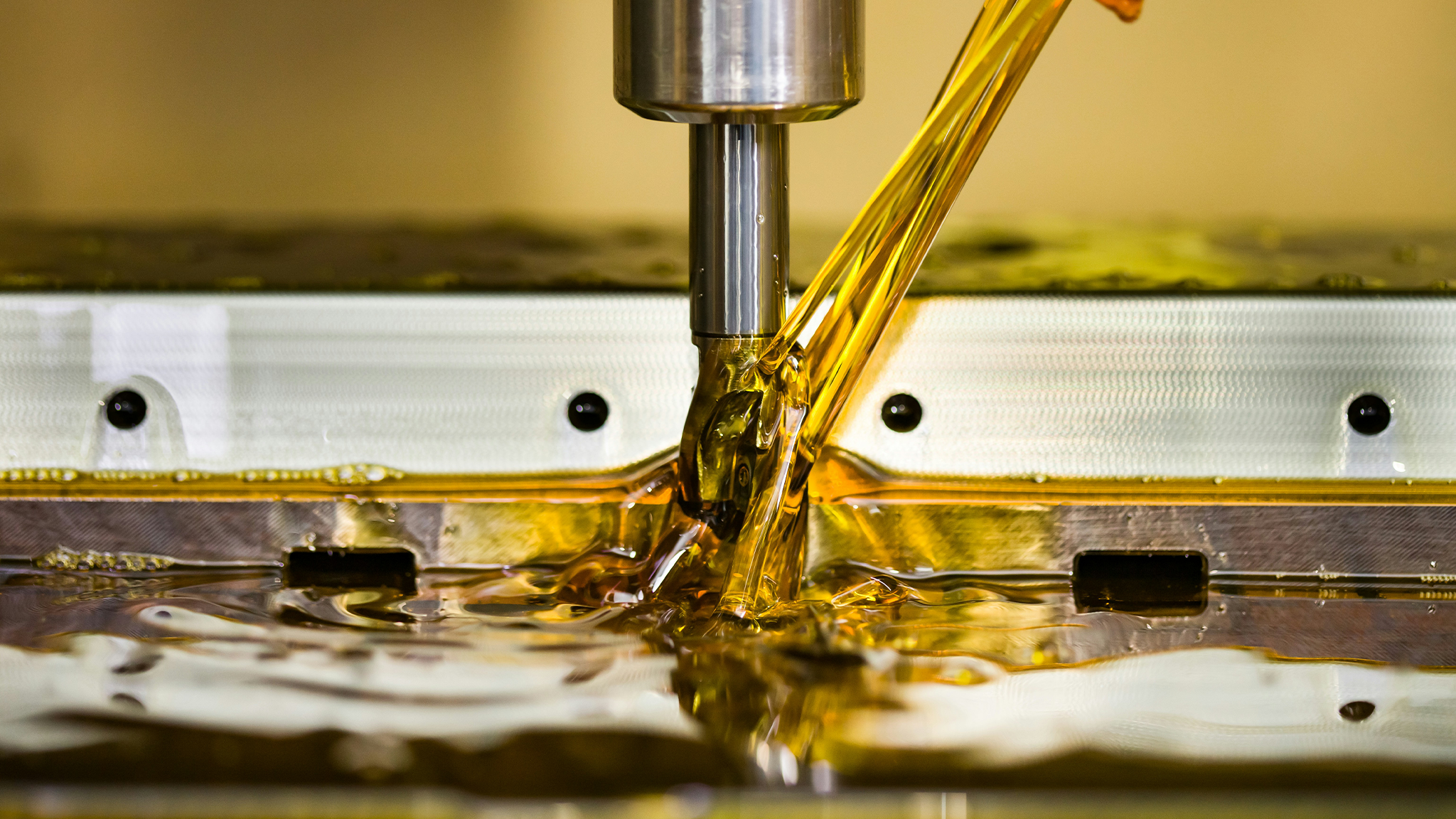
The Shift Toward Custom Drill Bits
Modern manufacturing demands exceptional precision. Standard, off-the-shelf tools often fall short when tackling tough materials or intricate designs. Consequently, many industries now rely on a custom drill bit. These specialized tools are engineered for a specific task, granting factories superior control and efficiency.
As global industries expand, manufacturers must adapt to evolving engineering requirements. Standard tools frequently struggle with high-speed production lines or heavy-duty metals, creating a gap that custom solutions effectively bridge. By modifying flute designs, point angles, and overall dimensions, manufacturers can produce tools that address unique operational challenges.
Precision Machining's Role in Modern Tooling
Precision machining forms the backbone of modern tool creation. Advanced computer numerical control (CNC) systems empower manufacturers to shape tools with remarkable accuracy. When developing a custom drill bit, maintaining tight tolerances is crucial. Even a minuscule discrepancy can lead to tool failure at high velocities.
Utilizing multi-axis CNC machines enables producers to craft complex geometries previously unattainable. These machines guarantee that every product adheres precisely to customer specifications. Furthermore, automated inspection systems meticulously verify the dimensions of each tool prior to shipment. This stringent process minimizes errors, reduces waste, and ensures reliable performance on the factory floor.
Advanced Materials: Enhancing Durability and Performance
Material science continues to revolutionize cutting tool performance under stress. Traditional steel is increasingly inadequate for demanding industrial applications. Today, manufacturers leverage advanced compounds to prolong the lifespan of a custom drill bit.
-
Tungsten Carbide:Renowned for its exceptional hardness, carbide tools maintain their cutting edge during high-speed operations.
-
Cobalt Alloys: These alloys exhibit superior heat resistance, making them ideal for drilling challenging materials like stainless steel.
-
Specialized Coatings:Thin layers of titanium aluminum nitride or similar compounds minimize friction and mitigate heat buildup during deep-hole drilling.
These material selections empower tools to endure extreme temperatures and harsh working environments. Consequently, industrial facilities experience fewer tool replacements and reduced operational expenses.
Manufacturing Innovations and Production Efficiency
Smart factory technologies are transforming the production of cutting tools. Modern factory floors now incorporate digital monitoring and automated robotics to accelerate manufacturing processes. These advancements enable manufacturers to fulfill custom orders with unprecedented speed.
Another significant innovation involves integrated internal cooling channels. These intricate pathways allow coolant to flow directly to the cutting tip. This feature keeps the tool cool and effectively evacuates chips from the hole. Improved chip ejection prevents blockages, safeguarding both the tool and the workpiece from damage.
Why Industries Opt for Tailored Solutions
Each industry possesses distinct requirements. For instance, the aerospace sector necessitates tools capable of cleanly cutting lightweight composites without causing edge fraying. Conversely, the automotive industry demands high-speed options for continuous metal processing.
A standard tool forces engineers to adapt their processes to suit the equipment. In contrast, a custom drill bit adapts to the project. It precisely matches the hardness, depth, and speed required for the task at hand. This targeted approach minimizes downtime and elevates overall product quality.
Future Trends in Industrial Tooling
The trajectory of industrial tooling points toward increasingly intelligent and highly specialized designs. As materials become more robust, the demand for high-performance cutting solutions will continue to escalate. Manufacturers that invest in advanced machining and material research will undoubtedly lead the market. By prioritizing precision, durability, and customized designs, modern producers enable factories to achieve higher output and superior results.


