From Mold Roughing to Titanium Cutting: Where Corner Radius End Mills Win
See where Qinray corner radius end mills perform best—mold roughing, cavity milling, and titanium cutting. Built from fine-grain carbide for longer tool life and cleaner cuts.
2026/11/26
Reading volume: 0
News Details
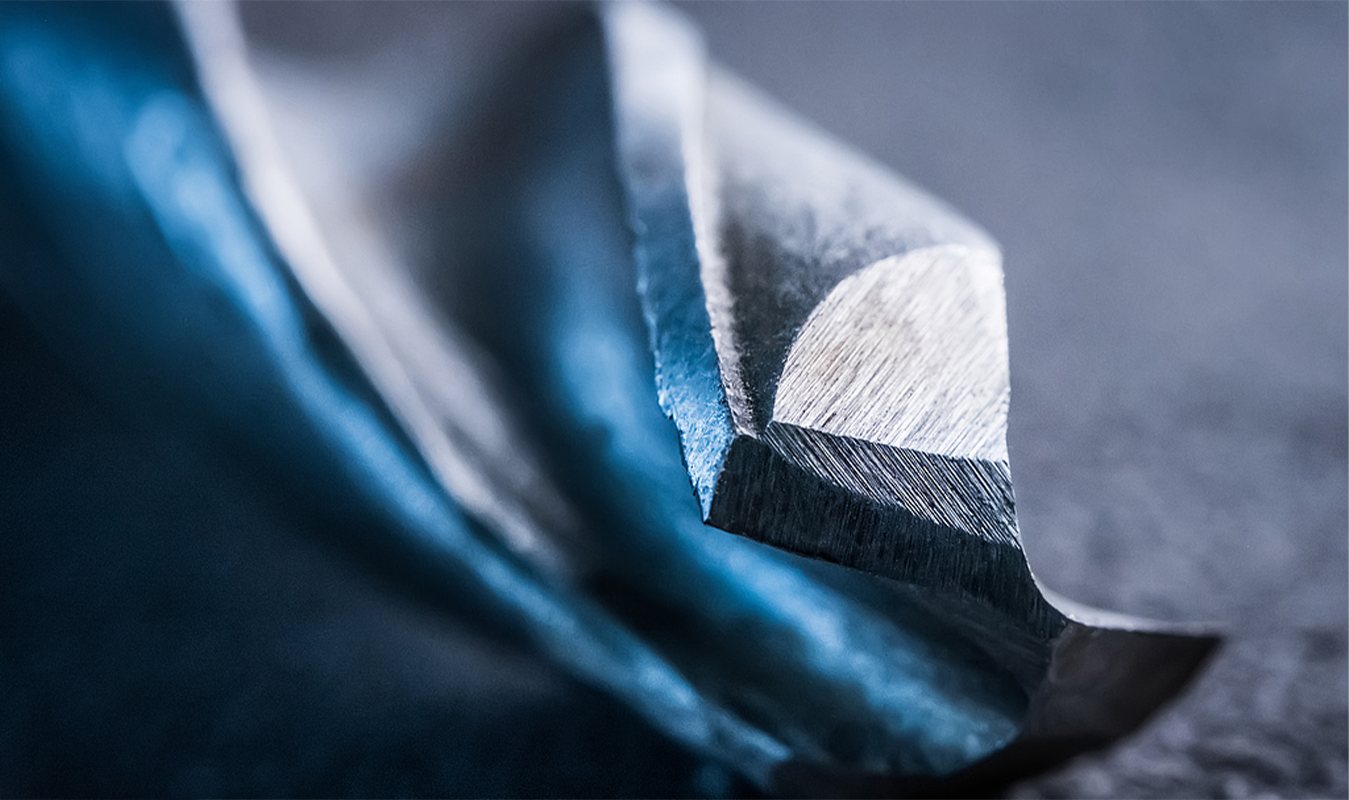
In modern CNC shops, the right tool can change everything. A corner radius end mill is one of the most useful cutters on the floor. It is strong, flexible, and easy to trust. At first glance, it looks simple. Yet, it solves real problems in mold making, hard steel cutting, and titanium machining.
So, why does it win in so many jobs? The answer is in the shape.
Why the Rounded Corner Matters
A square end mill has sharp edges. Those edges can chip under heat and load. A ball nose tool is smooth, but it is slow for flat work. The corner radius end mill sits in the middle.
It keeps a flat bottom for fast material removal. At the same time, it has a small radius at the corners. This small change makes a big difference. It lowers stress at the edge. As a result, the tool stays sharper for longer.
Because of this, shops get fewer breaks, better finishes, and steadier cycles.
Where It Wins in Mold Roughing
Molds are rarely simple. They have deep pockets, fillets, and tight walls. During roughing, the cutter must remove a lot of metal quickly.
Here, the corner radius end mill works very well. First, it clears material fast. Next, it protects the cutting edge from shock. Finally, it leaves a cleaner corner than a square tool.
Qinray builds these tools from fine-grain solid carbide. The substrate is stable and wear-resistant. Combined with precision 5-axis grinding, the edge stays consistent from batch to batch.
For mold steel, Qinray can match the tool to the job. Hardened steel needs a tougher edge. Pre-hardened steel needs smooth chip flow. Either way, the corner radius design helps reduce recutting and edge fatigue.
Stronger Results in Titanium Cutting
Titanium is tricky. It is strong, sticky, and holds heat. A sharp square corner can fail fast. That is why many shops switch to a radiused edge.
With titanium, the corner radius end mill gives a stronger cutting lip. It also spreads the load more evenly. This means less chipping and fewer tool changes.
Qinray’s custom SA-coated solid carbide end mills are well suited for titanium alloys. The coating lowers friction. The geometry supports better chip evacuation. Together, they help control heat during long cuts.
For aerospace parts, medical parts, and thin-wall features, this matters. The cut stays stable. The wall stays true. The surface stays clean.
Built Like a Manufacturer’s Tool
Qinray is a solid carbide cutting tool manufacturer. That means the value is not only in the coating. It is in the whole build.
Each tool starts with high-quality micro-grain carbide. Then, it is ground to tight tolerances. After that, it receives the right coating for the material. Options include SA, DLC, and other performance coatings.
More importantly, Qinray supports custom tools. If a shop needs a special radius, longer neck, or unique shank, the tool can be made to print. This is useful for mold makers and titanium machinists who rarely run “standard” jobs.
Less Polishing, Faster Cycles
One hidden benefit is finishing. Because the radius blends the floor and wall, the transition looks smoother. In many mold jobs, this reduces hand polishing later.
Also, the tool can often run at higher feeds than a square end mill. The shop saves time. The customer gets a better part. The tool lasts longer.
That is a rare win-win-win.
Choosing the Right Radius
The radius size should match the part. A small radius, such as R0.2 or R0.5, works well for fine details. A larger radius helps in heavy roughing and deep pockets.
As a rule, keep the radius practical for the feature. Too large, and the tool may leave uncut material. Too small, and you lose some edge strength.
Qinray helps buyers choose by material, hardness, and machine setup. This keeps the cut stable and the result repeatable.
Where Qinray Tools Fit Best
These corner radius end mills work well in several fields:
- Mold and die roughing
- Cavity semi-finishing
- Hardened steel up to high HRC
- Titanium and stainless alloys
- Aerospace and medical components
- Custom OEM production runs
They are also a smart choice for distributors. One flexible tool family can cover many customer requests.
The Takeaway
A corner radius end mill is not just a “middle option.” It is often the best option.
It removes material like a flat tool. It protects the edge like a rounded tool. It performs in molds, hard steel, and titanium alike.
At Qinray, these cutters are made with care—from carbide selection to final inspection. For shops that want fewer tool failures and cleaner parts, the corner radius end mill is a clear winner.
e.
Share to:


