Material Science and Coating Innovations: What to Expect from a Leading Cutting Tool Manufacturer
News Details
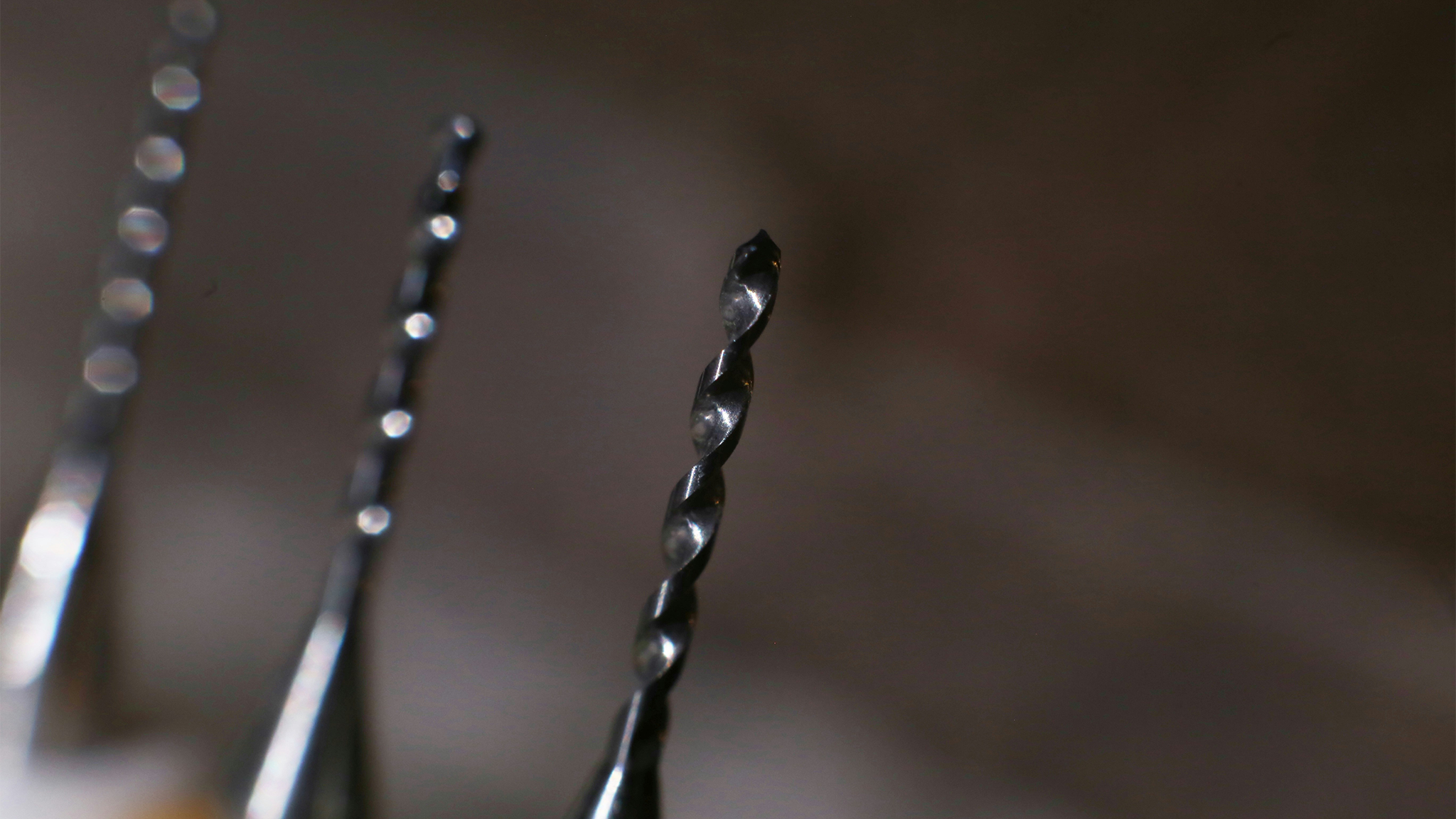
In modern manufacturing, precision, efficiency, and product quality are more important than ever. As machining processes become more complex, cutting tools must meet higher standards for accuracy, wear resistance, and service life. Therefore, material science and coating technology have become key areas of development for the cutting tool industry.
A leading Manufacturer of Precision Cutting Tools understands that tool performance depends on more than just tool geometry. The right materials, advanced coatings, and reliable manufacturing processes all play an important role. By combining these technologies, manufacturers can provide cutting tools that meet the needs of demanding industries, including automotive, aerospace, mold making, medical equipment, and general machining.
The Role of Advanced Materials in Precision Cutting Tools
Cutting tool materials directly affect hardness, toughness, wear resistance, and machining performance. As a result, selecting the right material is a key step in tool design and production.
Tungsten Carbide for High-Performance Machining
Tungsten carbide is widely used in precision cutting tools because of its high hardness and excellent wear resistance. It is suitable for machining a wide range of materials, including steel, stainless steel, cast iron, and non-ferrous metals.
A professional precision cutting tool manufacturer can select different carbide grades based on the application. Fine-grain carbide, for example, can provide improved edge strength and surface quality. Meanwhile, suitable carbide compositions can help balance hardness and toughness.
These material options allow manufacturers to develop tools for high-speed machining, deep-hole drilling, milling, and other demanding applications.
High-Speed Steel and Other Tool Materials
High-speed steel (HSS) remains useful in applications that require toughness and flexibility. It is often selected for certain drills, taps, reamers, and special-purpose tools.
In addition, advanced tool materials and optimized material compositions continue to expand machining capabilities. The goal is to match the tool material with the workpiece, cutting conditions, and production requirements.
Innovative Coating Technologies for Longer Tool Life
Coating technology is another major factor in cutting tool performance. A suitable coating can reduce friction, improve surface hardness, and protect the tool from heat and wear.
PVD Coatings for Precision Machining
Physical Vapor Deposition (PVD) coatings are widely used in modern cutting tools. Common coating types include TiN, TiAlN, AlTiN, and other advanced coating systems.
These coatings offer different performance characteristics:
-
TiN: Provides good wear resistance for general machining applications.
-
TiAlN: Offers strong heat resistance and is suitable for demanding cutting conditions.
-
AlTiN: Supports high-temperature machining and helps improve tool durability.
-
Specialized coatings: Can be developed for specific workpiece materials and machining environments.
A Manufacturer of Precision Cutting Tools evaluates coating performance based on cutting speed, temperature, friction, and tool life.
Reducing Friction and Heat
During machining, friction between the cutting edge and the workpiece generates heat. Excessive heat can cause tool wear, dimensional errors, and poor surface quality.
Advanced coatings help reduce friction and protect the cutting edge. Consequently, coated tools may support higher cutting speeds, more stable machining, and longer service life when properly matched to the application.
However, coating selection must consider the workpiece material and machining conditions. The most expensive coating is not always the best choice.
Precision Engineering and Tool Geometry
Material and coating innovations work best when combined with precise tool geometry.
A professional cutting tool manufacturer focuses on cutting edge design, flute shape, helix angle, clearance angle, and tool dimensions. Each feature affects chip removal, cutting force, and machining stability.
For example, optimized flute designs can improve chip evacuation during drilling and milling. In addition, carefully controlled cutting edges can reduce vibration and improve the surface finish.
Through CNC grinding, precision measurement, and advanced production equipment, manufacturers can maintain consistent tool dimensions and performance.
Custom Cutting Tool Solutions for Different Industries
Standard cutting tools may not meet every machining requirement. Therefore, custom cutting tool solutions are becoming increasingly important.
A reliable Manufacturer of Precision Cutting Tools can develop non-standard tools based on customer drawings, workpiece materials, machine conditions, and production goals.
Automotive Industry
Automotive manufacturers require high productivity and consistent machining quality. Custom drills, end mills, and reamers can help improve machining efficiency for engine parts, transmission components, and other precision parts.
Aerospace Industry
Aerospace machining often involves difficult materials such as titanium alloys and heat-resistant alloys. Advanced carbide grades, specialized coatings, and optimized tool geometries can help address these challenges.
Mold and Die Manufacturing
Mold production requires high dimensional accuracy and excellent surface quality. Precision end mills and custom milling tools can support complex shapes, fine details, and efficient material removal.
Medical Equipment Manufacturing
Medical components often require tight tolerances and high-quality surfaces. Precision cutting tools with suitable materials and coatings can help meet these demanding production requirements.
Quality Control in Precision Cutting Tool Manufacturing
Reliable tool performance depends on strict quality control throughout the manufacturing process.
A professional manufacturer should establish quality checks for raw materials, grinding accuracy, coating quality, and finished tool dimensions.
Important quality control processes include:
-
Raw material inspection
-
CNC grinding accuracy checks
-
Cutting edge and geometry measurement
-
Coating thickness and surface inspection
-
Tool dimension verification
-
Performance testing under suitable machining conditions
Furthermore, consistent inspection standards help reduce production variation and improve customer confidence.
Future Trends in Cutting Tool Materials and Coatings
The cutting tool industry continues to develop as manufacturing requirements change.
Several trends are expected to shape the future of precision cutting tools.
Advanced Coating Development
New coating systems are being designed to improve heat resistance, wear protection, and cutting performance. These developments may help manufacturers meet the needs of high-speed and high-efficiency machining.
Smart Manufacturing and Digital Inspection
Automation, digital measurement, and data-based production control are becoming more common. These technologies help improve manufacturing consistency and reduce human error.
Sustainable Machining
Longer tool life and more efficient cutting processes can help reduce tool consumption and production waste. In addition, improved machining performance may lower energy use in certain applications.
Customized Tool Design
As workpieces become more complex, customized cutting tools will play a greater role. Manufacturers that combine engineering expertise with flexible production capabilities can better meet changing customer needs.
Why Choose a Professional Manufacturer of Precision Cutting Tools?
Choosing the right cutting tool supplier is essential for machining quality and production efficiency.
A professional manufacturer offers more than cutting tools. It provides material selection support, coating recommendations, custom tool design, precision manufacturing, and quality assurance.
Key advantages include:
-
Advanced carbide materials and coating technologies
-
High-precision CNC grinding capabilities
-
Custom and non-standard cutting tool solutions
-
Strict quality control procedures
-
Application-based technical support
-
Consistent product quality and reliable delivery
By working with an experienced manufacturer, customers can select cutting tools that better match their machining conditions and production goals.
Conclusion
Material science and coating innovations are driving the development of modern precision cutting tools. Advanced carbide materials, improved coating systems, optimized tool geometry, and strict quality control all contribute to better machining performance.
A leading Manufacturer of Precision Cutting Tools combines these technologies with engineering expertise to provide reliable standard and custom solutions. As manufacturing continues to evolve, precision cutting tool manufacturers will remain important partners in improving productivity, machining accuracy, and product quality.


