Industry Applications & ROI of Custom End Mills in Advanced Manufacturing
News Details
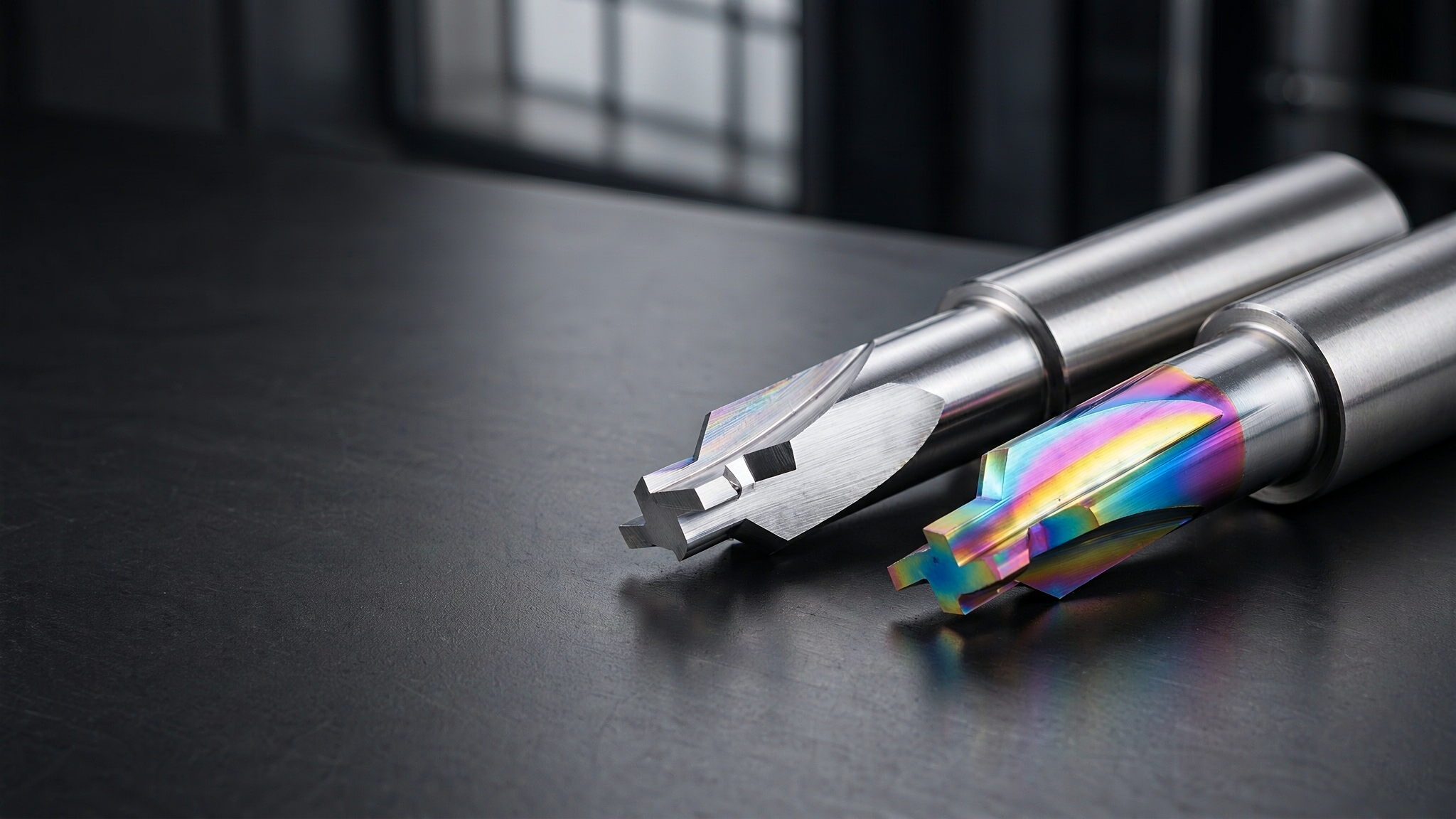
Modern manufacturing moves fast. Because of this, standard cutting tools often fall short when working on complex parts. When your CNC machines face tight tolerances, tough materials, or unique geometries, off-the-shelf options simply will not work.
Instead, smart shops rely on a non-standard end mill.
As an experienced manufacturer of custom cutting tools, we build solutions tailored precisely to your production needs. Below, we explore where these specialty tools shine and how they deliver a strong return on investment (ROI) for your business.
Why Standard Cutting Tools Fall Short in Modern Production
Standard end mills are great for everyday machining tasks. However, they are built for general purposes, not for your specific challenges.
When you use a standard tool on a complex part, you often run into major roadblocks:
-
Multiple Tool Changes: You might need two or three separate tools to machine a single profile, which wastes valuable machine time.
-
Poor Finish Quality: Standard flute counts or helix angles can cause chatter, bad surface finishes, and rapid tool wear.
-
Material Struggles: Exotic materials like titanium, Inconel, and hardened steels destroy standard carbide tools very quickly.
Because of these issues, relying only on catalog tools can slow down your entire shop floor.
Key Industry Applications for Custom End Mills
Different industries demand extreme precision. Here is how custom and non-standard end mills solve unique problems across key sectors:
1. Aerospace and Defense
Aerospace parts feature deep pockets, thin walls, and hard-to-cut alloys like titanium and nickel-based superalloys. A non-standard end mill designed with specialized chip breakers and variable helix angles helps prevent vibration. As a result, you get superior surface finishes and reliable chip evacuation in deep cavities.
2. Medical Device Manufacturing
Medical components—such as bone plates, spinal implants, and surgical instruments—require extreme accuracy and biocompatible materials like cobalt-chrome or stainless steel. Custom micro-end mills and tapered ball-nose tools allow manufacturers to create intricate contours with tight tolerances while maintaining strict FDA compliance.
3. Mold and Die Making
Making injection molds and stamping dies requires deep reach and sharp corner radii. Standard long-reach tools often flex and break under heavy loads. Custom-engineered neck-tapered end mills provide the rigidity needed to cut deep slots and smooth 3D contours without sacrificing tool life.
The Real ROI of Investing in Non-Standard End Mills
At first glance, custom tools cost more upfront than standard catalog items. However, looking only at the initial purchase price hides the bigger financial picture.
When you calculate the total cost of production, custom cutting tools deliver massive savings:
-
Reduced Cycle Times: By combining multiple machining steps into a single custom profile tool, you cut out unnecessary tool changes. This can slash your cycle time per part by 30% or more.
-
Longer Tool Life: A tool engineered specifically for your exact material and feed rates lasts much longer than a generic tool forced to do the job.
-
Fewer Scrapped Parts: Better chip control and reduced chatter mean fewer ruined workpieces, saving you thousands in wasted raw materials.
-
Lower Labor Costs: Faster cycle times and fewer tool interventions free up your operators to run more machines and boost overall shop output.
What to Look for in a Custom Tool Manufacturer
Choosing the right manufacturing partner is just as important as the tool design itself. To get the best results, look for a supplier that offers:
-
Advanced Engineering Support: They should work closely with your programmers to optimize tool geometry before production begins.
-
Fast Turnaround Times: In manufacturing, downtime costs money. Your supplier must deliver custom tools quickly without sacrificing quality.
-
Strict Quality Control: Every custom end mill should undergo rigorous inspection to ensure it matches your exact specifications down to the micron.
Conclusion
Standard tools have their place, but they cannot solve every problem on the shop floor. By integrating a non-standard end mill into your process, you can conquer difficult materials, speed up your cycle times, and maximize your profitability.
Ready to upgrade your machining process? Contact our engineering team today to design the exact custom cutting tool your shop needs.


