DLC vs. CVD Diamond Coated End Mills: Which Tooling Wins for Composites and Aluminum?
News Details
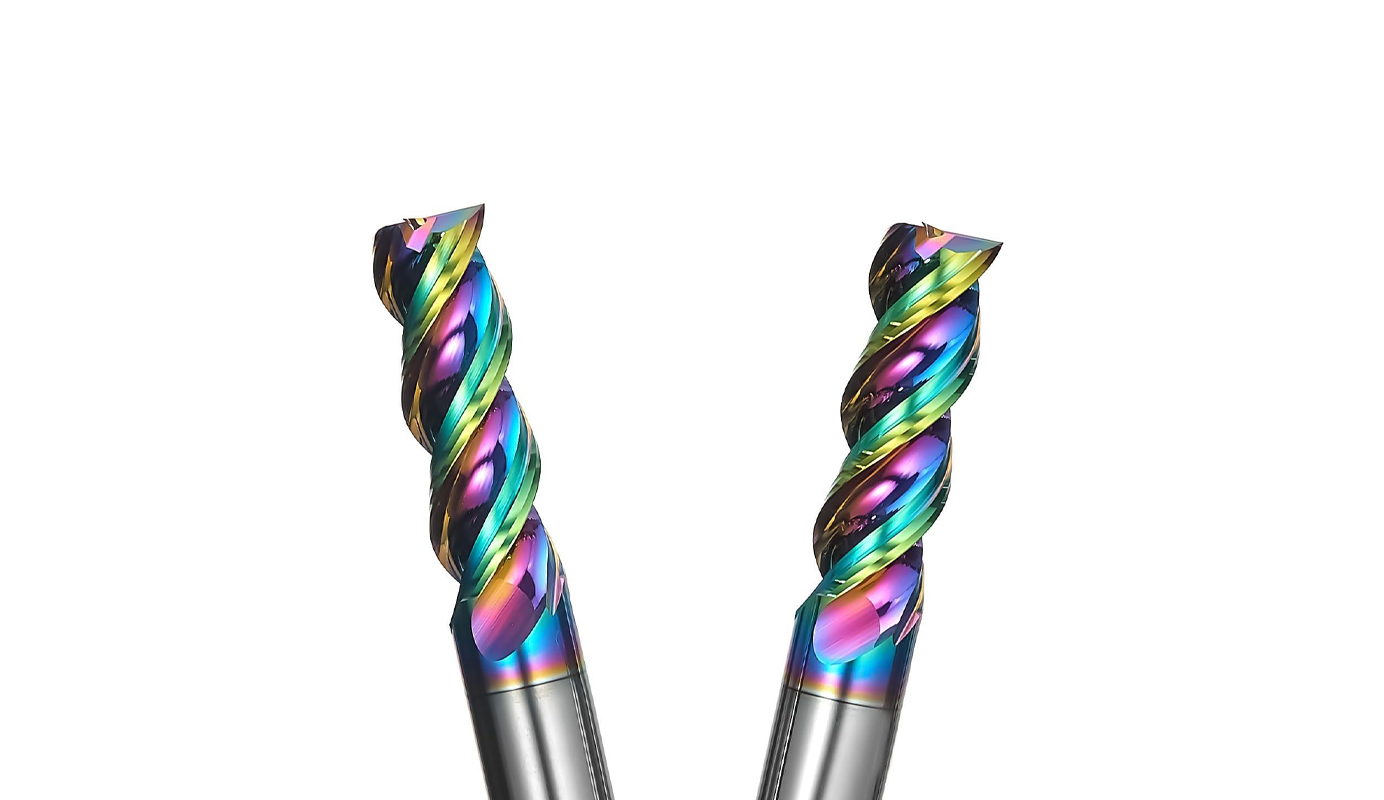
Choosing the right cutting tool changes everything in modern machining. When your shop cuts sticky aluminum alloys or abrasive carbon fiber composites, standard tools wear out fast. Tooling buyers and production engineers often look at two high-performance options: Diamond-Like Carbon (DLC) coated end mills and CVD diamond coated tools.
Both choices improve performance, but they work best in different situations. Understanding how each tool behaves helps you cut costs, reduce machine downtime, and boost production efficiency.
Understanding DLC Coated End Mills
A DLC coated end mill uses a thin, amorphous carbon film applied to a high-grade tungsten carbide substrate. This coating creates an ultra-low friction surface with extreme hardness.
When cutting softer non-ferrous metals like aluminum, copper, or brass, heat and friction cause material to stick to the cutting edge. This problem is known as built-up edge (BUE). The slick surface of a DLC coating stops chips from welding to the tool.
-
Key Strengths: Exceptional low friction, smooth chip flow, sharp cutting edges, and high resistance to adhesive wear.
-
Best Uses: High-speed aluminum contouring, copper milling, and soft plastics.
At Qinray, fine-grain tungsten carbide substrates are paired with advanced DLC coatings using German CNC grinding equipment. This combination creates stable tools that deliver clean surface finishes and prevent burr formation.
Understanding CVD Diamond Coated End Mills
CVD (Chemical Vapor Deposition) diamond tools feature a thick layer of crystalline diamond grown directly onto the carbide tool. Unlike amorphous DLC, a CVD diamond coating consists of actual diamond grains, offering extreme hardness and wear resistance.
Because carbon fiber composites, glass-filled plastics, and green ceramics are intensely abrasive, they quickly destroy standard carbide and DLC tools. CVD diamond tooling handles this heavy abrasion with ease.
-
Key Strengths: Extreme hardness, massive resistance to abrasive wear, and long tool life in highly abrasive materials.
-
Best Uses: Carbon Fiber Reinforced Polymers (CFRP), graphite, ceramics, and high-silicon aluminum.
The main trade-off is edge sharpness. Because the diamond layer is thicker, the cutting edge is slightly less sharp than a fine DLC-coated tool, making DLC a better pick for fine aluminum finishing.
Direct Comparison: When to Use Which Tool
| Feature | DLC Coated End Mill | CVD Diamond Coated End Mill |
| Coating Type | Amorphous carbon (smooth film) | Crystalline diamond layer |
| Edge Sharpness | Very high (preserves sharp micro-geometry) | Moderate (thick coating rounds edge slightly) |
| Primary Material | Aluminum, copper, brass, plastics | CFRP composites, graphite, ceramics |
| Primary Wear Factor | Adhesion and friction | Extreme abrasion |
| Cost Profile | Highly cost-effective for high-speed runs | Higher initial cost, long life in abrasive media |
Manufacturing Insights from Qinray Cases
Different workpieces require tailored tool designs. Real-world manufacturing cases at Qinray show how matching the right coating to the job changes tool performance.
For instance, carbide taper square end mills built with a fine-grain tungsten carbide base and a DLC coating perform exceptionally well in aluminum alloy contouring and copper component milling. The low-friction coating ensures smooth cutting and fast chip release, which keeps temperatures low during high-speed operations.
Meanwhile, shops machining highly abrasive aerospace composites or graphite often switch to thick diamond-coated alternatives to prevent rapid flank wear. By utilizing advanced CNC five-axis tool grinding machines, manufacturers can control tool geometries precisely, ensuring that every batch meets exact industry tolerances.
Making the Final Choice
Your choice between DLC and CVD diamond depends entirely on your workpiece material.
If your shop focuses on high-speed aluminum machining, copper components, or non-ferrous profiling where edge sharpness and low friction matter most, a DLC coated end mill is the winning choice. If you run heavy production on carbon fiber composites or graphite, invest in CVD diamond tooling to fight severe abrasive wear.
Evaluating your specific machining parameters helps you choose the right tool, lower your cost per part, and maximize production efficiency.


