Custom vs. Standard End Mills: When and Why to Invest in Custom Tooling
News Details
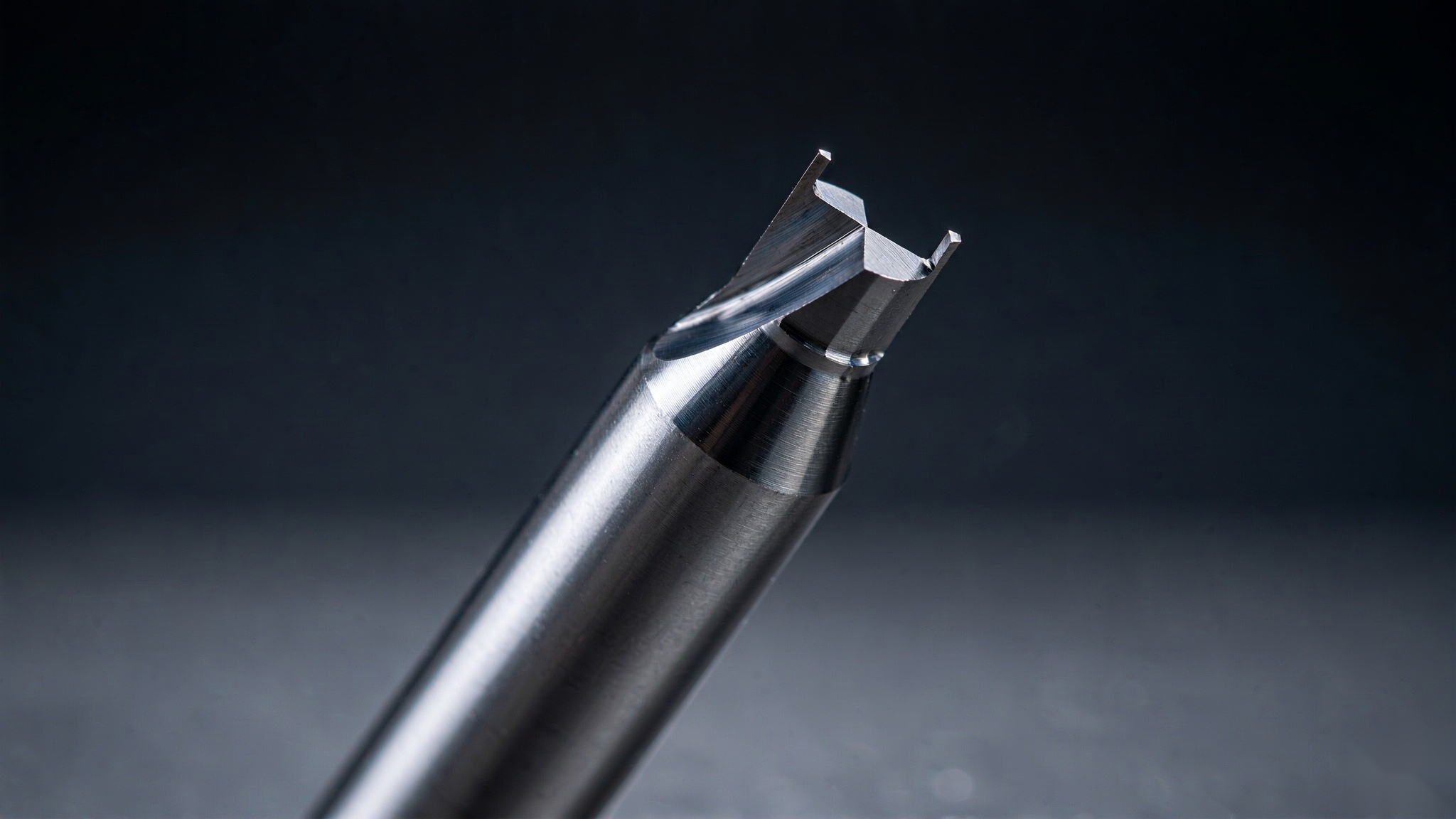
When running a CNC machine shop, every second and every penny counts. The selection of the appropriate cutting tool frequently determines whether a job generates profit or incurs loss. Numerous shop managers initially opt for standard off-the-shelf end mills due to their ease of procurement. Nevertheless, standard tools are incapable of resolving every intricate machining challenge.
As a dependable direct manufacturer of high-precision cutting tools, we design and produce specialized solutions tailored for demanding industries. If your shop is confronted with strict tolerances, challenging materials, or high-volume production requirements, a custom ground end mill may serve as your optimal choice. Let us explore when and why you should transition from standard options to custom tooling.
What Are Standard End Mills and Their Limitations?
Standard end mills represent mass-produced cutting tools engineered for general-purpose machining. They are readily accessible in supply catalogs, featuring common shank sizes, flute counts, and cutting lengths. These tools perform exceptionally well for basic pocketing, slotting, and profiling operations in soft metals or standard steels.
Nevertheless, standard tools exhibit distinct limitations:
-
One-size-fits-all designs: Such tools are rarely optimized for unique workpiece geometries.
-
Compromised performance: A tool designed for general use often operates at slower cutting speeds when applied to specialized or exotic alloys.
-
Multiple tool setups: Machining complex components with standard tools frequently necessitates two or three separate operations, thereby wasting valuable machine time.
When your projects demand elevated accuracy or enhanced material removal rates, a generic tool swiftly becomes a bottleneck.
How Custom Ground End Mills Resolve Complex Challenges
A custom ground end mill is engineered and manufactured with meticulous precision to align with your exact part specifications. Rather than compelling a standard tool to perform a demanding task, custom tooling is purpose-built for your specific application.
As a specialized manufacturer, we employ advanced 5-axis CNC grinding machines to fabricate tools that precisely match your requirements. We can customize every aspect of the tool, including:
-
Special Geometries: Distinct helix angles, variable pitch designs, and specialized core diameters to suppress chatter and vibration.
-
Step Tool Combinations: Integrating profiling, chamfering, drilling, and slotting capabilities into a single tool to complete parts in one pass.
-
Advanced Coatings: Applying custom PVD coatings tailored to your specific workpiece material, whether you are machining titanium, aerospace aluminum, or hardened stainless steel.
When Should You Make the Investment in Custom Tooling?
You may contemplate whether custom tools justify the initial investment. While standard tools entail lower upfront costs, custom tools yield savings throughout the lifecycle of a production run. Consider investing in a custom ground end mill under the following circumstances:
-
High-Volume Production Runs: If you are machining thousands of identical parts, reducing even five seconds from a cycle time translates to hours of saved machine time. A custom tool optimized for high-speed machining delivers rapid return on investment.
-
Difficult or Exotic Materials: Modern aerospace and medical components utilize challenging materials such as Inconel, titanium, and carbon fiber composites. Standard tools experience rapid wear when machining these materials. Custom tools featuring specialized rake angles and premium carbide grades demonstrate significantly extended operational lifespan.
-
Complex Part Features: If your component incorporates deep cavities, tight internal radii, or unique steps, standard tools cannot access these features safely. A custom tool ensures appropriate clearance and machining accuracy.
-
Reducing Tool Change Times: Each instance of your CNC machine stopping for a tool change results in lost revenue. Consolidating multiple operations into a single custom profile tool diminishes your overall tool change frequency by half.
Why Establish a Direct Partnership with a Custom Tool Manufacturer?
Collaborating directly with an experienced tool manufacturer imparts distinct advantages to your workshop:
-
Direct Technical Support: You can engage directly with our tool engineers to discuss chip loads, feeds, speeds, and tool design considerations.
-
Accelerated Turnaround Times: Direct communication facilitates expedited design approvals, rapid prototyping, and reliable delivery schedules.
-
Consistent Quality: As the direct manufacturer, we oversee every stage—from raw carbide blank inspection to final laser measurement and edge preparation. This ensures stringent micron-level accuracy across every batch.
Make the Strategic Choice for Your Machine Shop
Standard end mills maintain their relevance in general maintenance and basic milling operations. However, when your business prioritizes speed, precision, and reduced cost-per-part, standard tools prove insufficient.
Upgrading to a custom ground end mill provides your shop with a competitive edge. By investing in tools purpose-built for your specific process, you minimize downtime, extend tool life, and deliver superior components to your customers.
Ready to optimize your machining process? Contact our engineering team today to discuss your next project and receive a custom tooling proposal tailored to your exact specifications.


